Seasonal Secrets for Private Guided Tours in Cotswolds

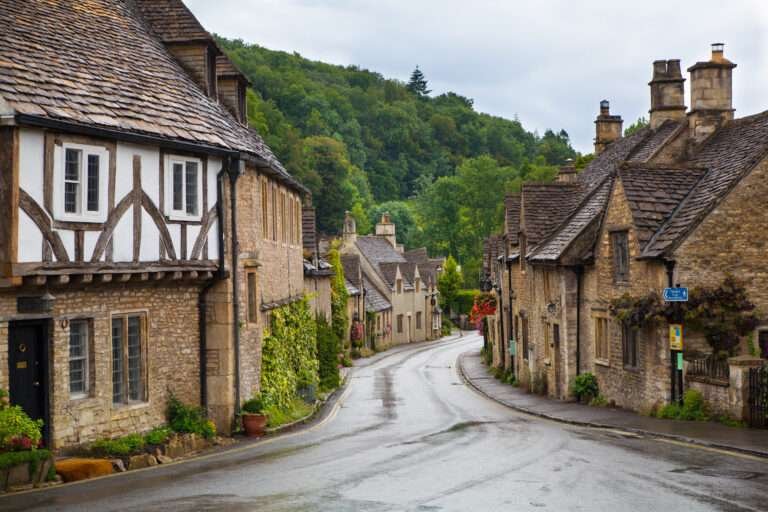
When the urban sprawl of London begins to tire you out, the Cotswolds act as a perfect escape—with a stretch of spectacular native cottages, rolling hills, and places steeped in history. It’s no secret that by choosing a private customized tour, you get the chance to enhance your experience with manifolds. The right timing would result in fewer tourists, better weather, and even local events!

In this post, we explore the best times to embark on a private guided tour in Cotswolds, ensuring your countryside journey is as enriching as it is relaxing.

Spring: A Blossoming Opportunity

You truly cannot beat the English spring with any other beauty. It rises to the expectation of Londoners face when they visit the Cotswolds. Like picturesque scenery, the region is full of life – go for a walk and witness wildflowers blooming all around. After the harsh winter months of March to May, the weather is extremely pleasant and breathing fresh air. If that is not the cherry on top, exploring the Cotswolds is also much more affordable as the tourist crowds are significantly thinner during spring. To make things even better, local farmers’ markets and spring fairs can be found throughout the area.

Summer: Enjoy Sunlit Adventures

Summer in the Cotswolds starts in June and ends in August. The region has its highest peak in stunning glory, making it ideal for outdoor activities and sightseeing. Everyone is familiar with straight leaps; however, the places that attract numerous visitors during this period often get busy. Similarly, Londoners looking for a private guided tours in Cotswolds during this time also have the option to customize it according to their needs. They must sit at the lunch regions to avoid the rush in the afternoon. A private tour enables the tourist to gain a glimpse of the beautiful countryside without having to stick to a tight timetable. Summer is also a wonderful time to enjoy the endless outdoor dining options or attend traditional garden parties.
Craft Your Perfect Private Guided Tours in Cotswolds with London Country Tours

Autumn: A Frame of Colours and Serenity

The months ranging from September to November are a delight to visit the Cotswolds. The region is known for its picturesque countryside, which turns into a blend of glowing shades permeated with the chill of fall which serves as a peaceful setting during your trip. Autumn brings with it a sense of calm and serenity with fewer visitors ensuring a pleasant journey. By choosing a private guided tour in Cotswolds during the fall, one can take advantage of the area’s history and culture at their own pace. Your guide will show you the local markets, towns and heritage locations while explaining how the eccentric changes of the seasons have impacted the region’s traditions and way of life. This is a perfect time for photographers who wish to capture the intricate details of autumnal scenes.

Winter: The Quiet Charm and the Festive Spirit

Although winter may be less welcoming, the Cotswolds from December to February has its unique charm. The winter months give an altogether different experience that is gentle and serene, with a festive ambience. The villages are spruced with occasional mist and festive decorations, combined with the peaceful atmosphere makes it appealing. Private guided tours enable Londoners to enjoy the region’s iconic sites whilst evading the scourge of tourist hordes. A professional guide sheds light on the local winter traditions, from seasonal markets to the celebration of historic festivals. The relentless cold weather briskly greets us, but the combination of a well-curated tour and handcrafted tea makes the experience delightful.

Final Thoughts:

Signing off, Londoners can enjoy private guided tours in the Cotswolds at their own pace, adjusting their journey to suit their preferences, whether it’s spring, summer, autumn, or winter. This allows them to appreciate the region’s natural and cultural allure fully.

When you’re ready to plan your tailored countryside adventure, consider partnering with London Country Tours for an expertly guided experience that will transform your visit into a memorable escape.
Harry Potter tours from London – experiencing the live movie sets

In this Harry Potter tours from London, not only you will be able to see the different places, but you will also learn about how the films were made.

If you are a Harry Potter fan who is visiting the UK, then the chances are high that you will want to take a Harry Potter tours from London. This tour is going to provide you with the complete details on the movie sets of Harry Potter, where most of the films were shot. It is a fascinating experience, and it will be worth it even if you are not a Harry Potter fan. You will be able to see numerous places. These places include the Great Hall, the railway station, other different filming locations that include inside of Hogwarts, the Diagon Alley, the forbidden forest and more.

Harry Potter tours from London

In this Harry Potter tours from London, not only you will be able to see the different places, but you will also learn about how the films were made. There will be numerous props from movies. You can participate in some of the green magic, get some butterbeer, and get all the Harry Potter merchandise that you can imagine! Harry Potter was filmed across all over the UK, at different real-world locations that include Glenfinnan Viaduct, the Glencoe in Scotland, the Alnwick Castle and also the Leadenhall Market in London. The interior sets and majority of the films are shot at the Warner Bros. Studio in Leavesden, which is located just outside London.

At London City Tour, we are delighted to offer a unique tour that showcases the magic of Harry Potter films. We have got the driver cum tour guide that will take you to a mysterious journey while capturing some of the actual places. These include Kings Cross Station, Piccadilly Circus, Gloucester castle, the great Scotland Yard and more. To ensure that your day goes in the best way possible, you will also be able to visit the official Harry Potter Warner Bros. Studio Tour. Here you get to see the “behind the scenes” of shooting spots.

Harry Potter tours

Not only it showcases the “behind the scenes” shooting spots, but this tour will also showcase a vast array of beautiful sets, props and costumes. It will also reveal some of the closely guarded secrets, facts about special effects and animations that made the films so famous all over the world. Get ready to be wowed! You can take a tour of your transport as well, or you can make your way by using public transport or car. So here are the following features that you will get in the Harry Potter tours from London.

You will have a walkthrough on the actual Great Hall and the Diagon Alley.

There is a Gryffindor standard room that includes a Hagrid’s Hut & Potion’s Classroom film sets.

You get to see the screen effects in action; the life-sized models, and animations.

There are the costumes and props used within the movies, the life-sized models and more. You can rest assured that this is an excellent fun for the couples, groups and families. We have got our drivers that can pick you up from your desired location.

History of Stonehenge – What We Don’t Know & The Facts We Do

What Is Stonehenge?

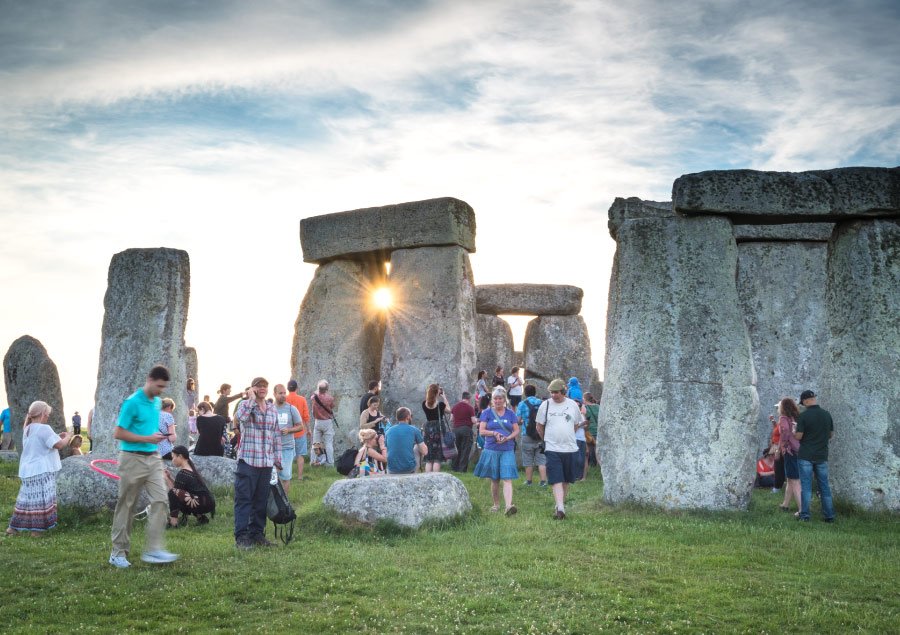
One of the most talked-about mysteries in the modern world, guests to Stonehenge were once given chisels on entry so they could chip off a souvenir to go home with. Today the stones are much more heavily protected, and rightly so, as they really are amazing.

Why Was Stonehenge Built and What Was It Used For?

Stonehenge Theories

It’s one of the oldest known questions in the world – What is Stonehenge? Second only to how did Stonehenge get there? The mystery of Stonehenge has even the world’s most learned historians, archaeologists, and geologists scratching their heads. Supporting the theory that the stones are a celebration of the sun and seasons, it’s possible that Stonehenge was put where it is because it’s ideally positioned for long views in all directions, perfect for utilising the sun.

There are many theories on the original purpose of Stonehenge, and no conclusive evidence to prove any of them. Older than the Pyramids in Egypt, Stonehenge is thought of as one of the most versatile ancient monuments. So, what was Stonehenge used for?

A finalist in the race to become a modern wonder of the world, the theories about Stonehenge include; an ancient burial ground, a place to study the movements of the moon and sun, a place of pagan sacrifice or conversely, a place for healing. One interesting theory that there is a shred of proof for is that Stonehenge was some sort of ancient almanac as the stones indicate a 365.25 calendar, in keeping with the rotation of the earth around the sun.

No one is really sure, but what is certain is that it was an immensely important place of huge significance to the people that built it 5,000 years ago. This is evident in just how much effort and the human struggle went in to actually constructing Stonehenge.

How Did Stonehenge Actually Get There?

With some serious human effort. The sarsen stones are the iconic pillars that line the circumference of the circle, made from the sandstone over 60 million years old, and weigh around 25 tonnes, about four elephants or a quarter of blue whale, just saying. And all this before the invention of the wheel. Built-in stages, the final incarnation is what we see standing today. The sarsen stones are thought to have been found 25 miles north of Salisbury Plain and transported with the help of sledges and ropes. The smaller ‘blue’ stones however have been traced all the way to the Preseli Hills in North Wales, 200 miles away from Wiltshire.

How did Neolithic people, with rudimentary tools and no technology transport 4-tonne boulders such a distance?

Some historians think the stones were moved using sledges and rollers made out of logs and transferred on to rafts and floated down the river. More recently it’s though that the builders used supersized wicker baskets, a combination of ball bearings, long grooved planks, and teams of oxen.

Stonehenge Tours

Want to try and figure out the mystery for yourself? It may not come as a surprise to you but we would recommend a tour! We offer a range of Stonehenge tours to suit all temperaments and our experienced guides will let you into all the secrets of the stones as well as even more history. Make up your own mind about the mystifying monolith and see why this sacred monument is still so popular throughout the globe.

The Most Common Misunderstandings When Visiting London

Every city has some common misunderstandings and London is no exception. Read on to dispel the common myths and be ‘in-the-know’ when you come and visit.

1. Confusing London Bridge with Tower Bridge.

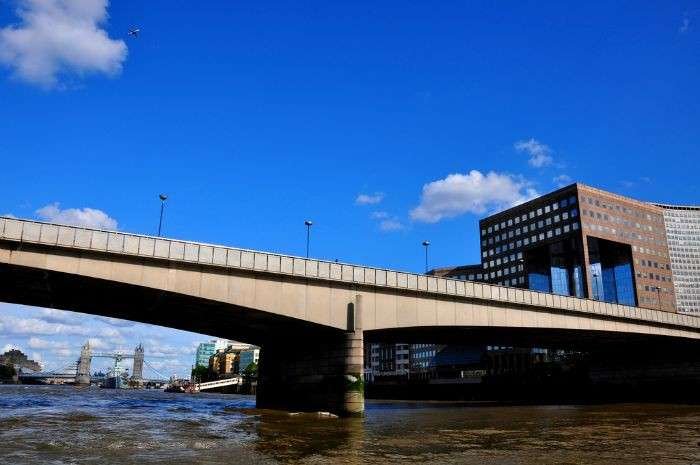
Tower Bridge (above) is a London icon; it’s towers and incredible draw-bridge are a sight to behold and it’s certainly the most photographed bridge in London. However, people often mistake it for London Bridge (below) – even those who may have lived in London all their lives!

London Bridge, famous for the song ‘London Bridge is Falling Down’ was much more interesting in it’s past incarnations. When it was built in medieval times, it was filled with shops and people actually lived on the bridge. London Bridge has actually fallen or burnt down many times in it’s turbulent history and now it stands as quite a plain, but dependable fixture on the Thames.

2. The British Museum and The Museum of London are not the same.

The names of these establishments are kind of similar, but the museums themselves cater for different interests so you might be disappointed if you get them mixed up.

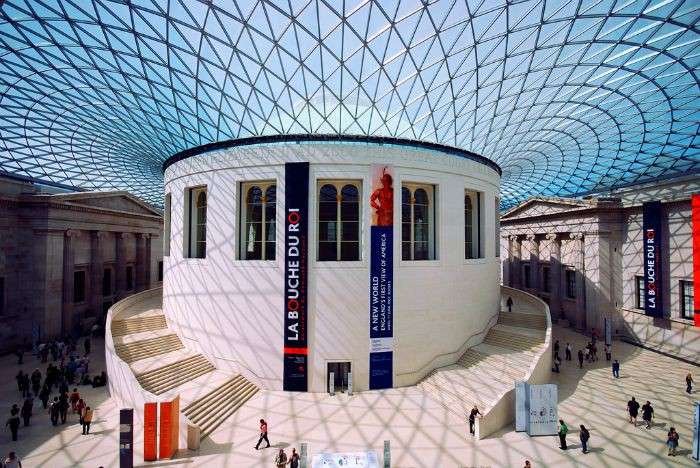
The British Museum (pictured below) is all about human history, art and culture. The permanent collection contains about 8 million works, the largest and most comprehensive collection of it’s kind. It also has the beautiful architecture seen below.

The Museum of London is all about the history of the city of London, including Roman London, the plague, The Great Fire, WWII and modern London. So make sure you specify the right destination when you jump into that black cab!

3. Big Ben is the Clock Tower

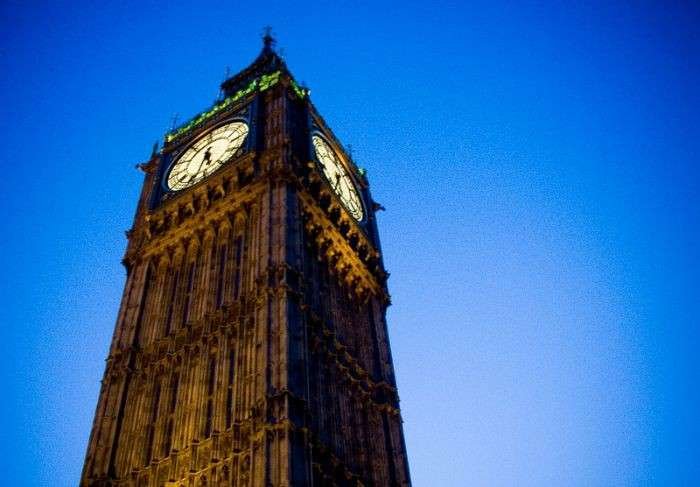
This is more of a technicality, but still good information to know. Big Ben is not the clock tower pictured below, but it is in fact the bell that is housed inside the clock tower that can be heard ringing through the streets of London when the hour strikes. The tower itself is called Elizabeth Tower or, more simply, the clock tower.

4. A Flag above Buckingham Palace Means The Queen is Home

It’s easy to see why people get confused by this. The old tradition was that the Queen’s personal flag – the Royal Standard – would fly when she was at home and no flag would fly when she wasn’t in residence. This tradition changed in 1997 due to the death of Princess Diana. A national state of mourning led to public outcry that there was no flag flying at half mast (a sign of mourning) at Buckingham Palace.

The collective grief of the nation led to new protocol being introduced so that there would always be a flag flying at the palace, so it could be lowered to half mast in case of a death. When the Queen is at home The Royal Standard flies from the palace and when she isn’t at home, the Union Flag flies!

5. Escalator Rules

This is a common error, as most visitors will use the tube when they first arrive – which means it’s also a good one to know about before you arrive. When travelling on the escalators on the underground, people standing should do so to the right, this allows people in a hurry to walk (or run!) up or down the escalator on the left hand side. Londoners get quite annoyed when people don’t follow this rule!

So stand on the right and if you’re travelling with luggage, make sure your luggage is on the right too.

Booking Form